A Guide for US Bridal Store Buyers: How to Choose the Perfect Veil Manufacturer
In the fiercely competitive US bridal market, veils are an indispensable part of a bride's ensemble, and their quality and design directly impact a store's sales and reputation. For offline bridal store buyers, selecting a reliable, innovative, and consistent veil manufacturer that delivers high-quality products is paramount. This article provides a comprehensive guide to help you stand out from the crowd and find the most suitable partner.
1. Understand Your Target Market (Geographic)
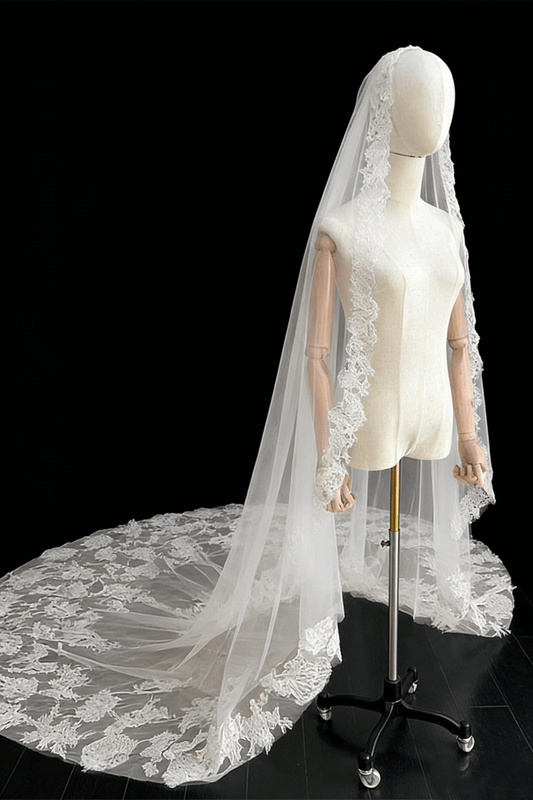
Before selecting a veil manufacturer, you must first define the regional customer base your store serves. The United States is vast, and brides in different regions may have vastly different preferences for veils. For instance, in traditional southern regions, long veils with exquisite embroidery or lace might be more popular, whereas in fashionable and avant-garde California, simple, modern, or uniquely designed short veils might be preferred.
-
Consider Regional Fashion Trends: Pay attention to the prevailing bridal trends in your state or city, as well as the cultural background and consumption habits of local brides.
-
Research Competitors: Analyze the veil styles and suppliers of other successful bridal stores in your area to gain inspiration and insights.
-
Collect Customer Feedback: Listen to your existing customers' feedback on veil styles, materials, and prices. This will be a crucial basis for your purchasing decisions.
2. Evaluate Manufacturer's Product Quality and Diversity (Economic & Operational)
Product quality is the cornerstone of a store's reputation, while diversity meets the needs of different customers. An excellent veil manufacturer should excel in both aspects.
-
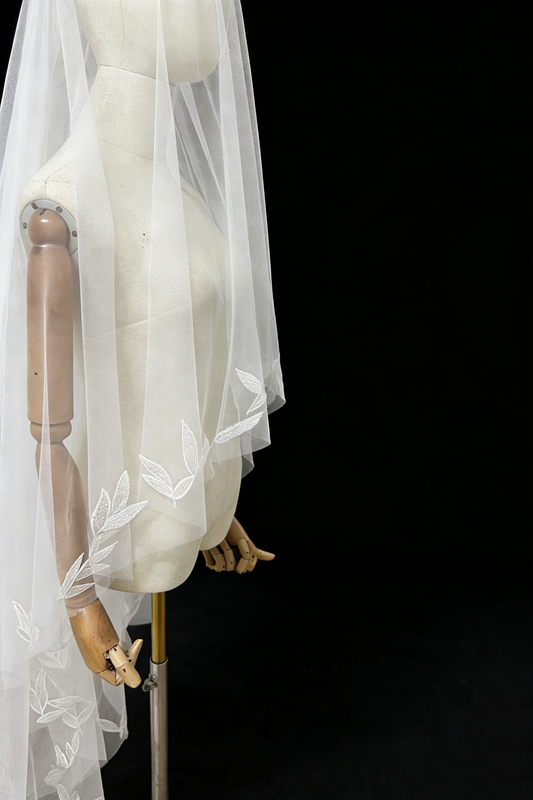
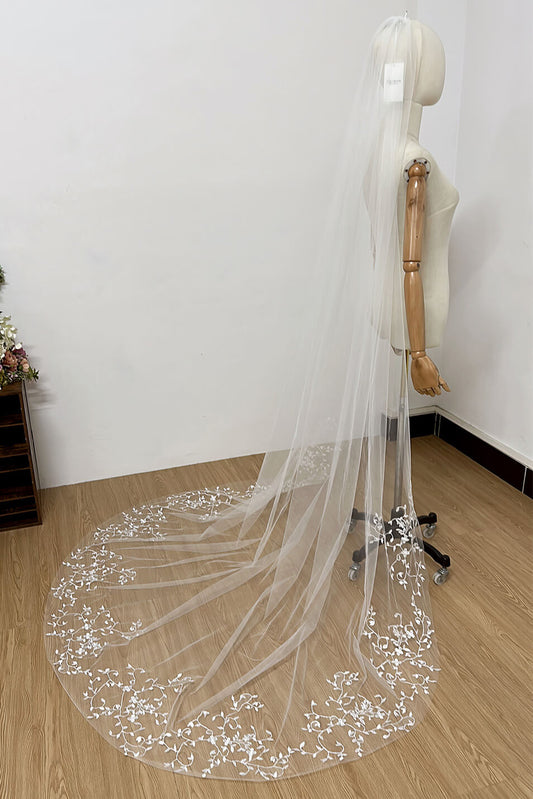
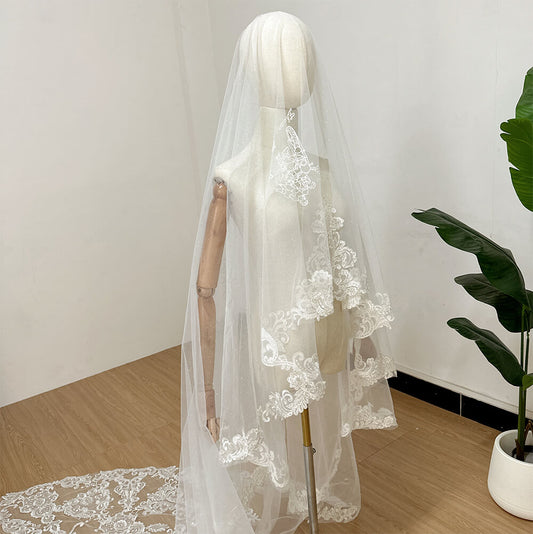
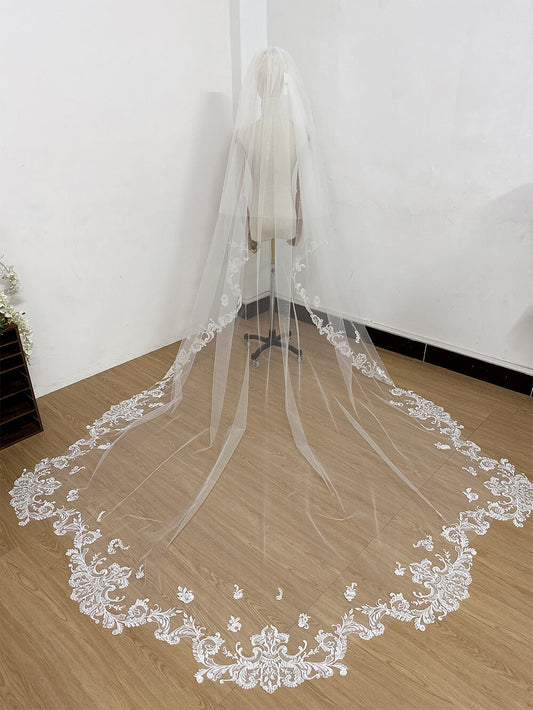
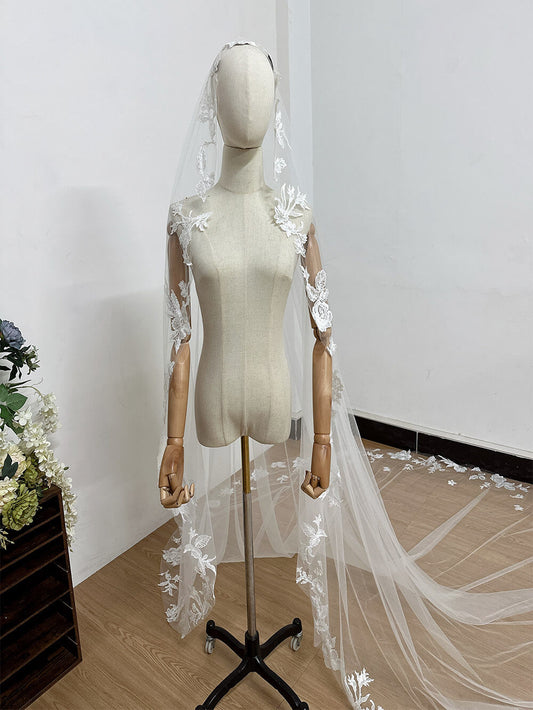
Materials and Craftsmanship: Examine the quality of fabrics used by the manufacturer (e.g., silk tulle, nylon tulle, organza), lace, embroidery, and embellishments. Carefully check if the veil's edge finishing, stitching, and overall workmanship are exquisite and meet the highest industry standards.
-
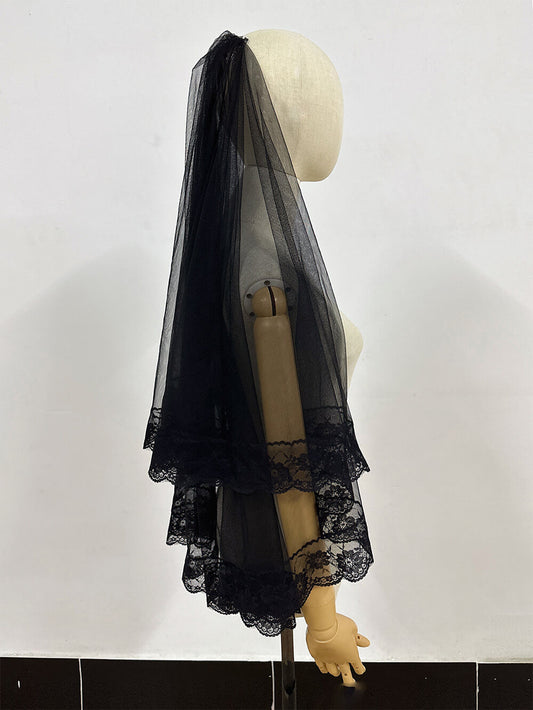
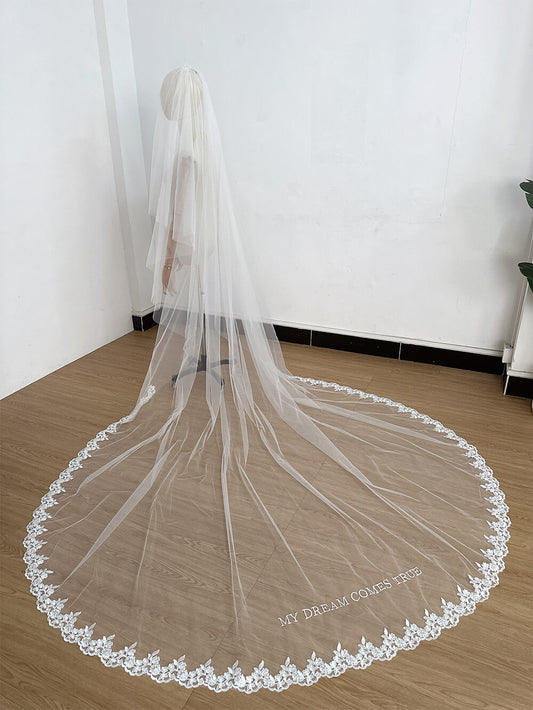
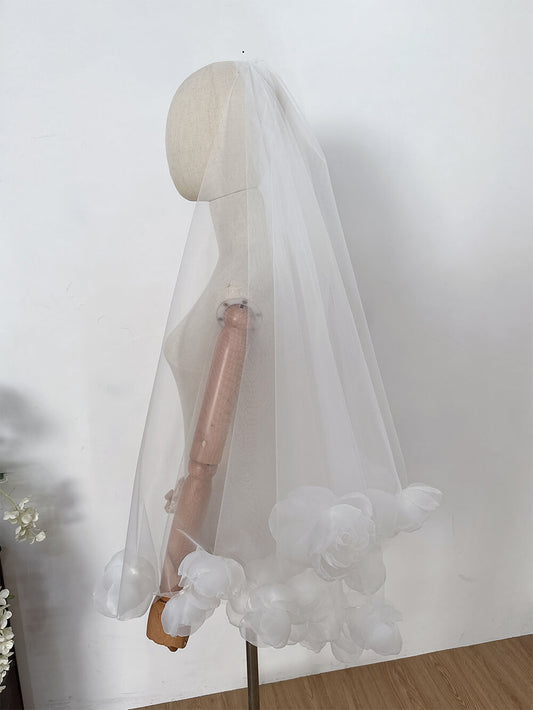
Design Innovation and Trend Grasp: Does the manufacturer regularly launch new designs that align with current trends? Can they offer a variety of lengths and styles, from classic to modern, simple to elaborate, and short to cathedral-length? Diverse designs will give your store a stronger competitive edge.
-
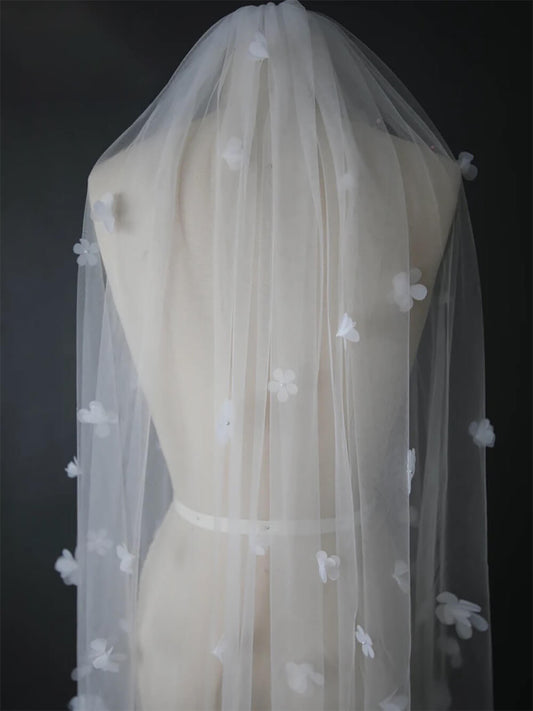
Customization Capabilities: Many brides have personalized needs. A manufacturer that can provide custom services (such as changing length, adding special embellishments, or adjusting colors) will undoubtedly enhance your service level and customer satisfaction.
-
Inventory and Supply Capability: Understand the manufacturer's inventory management and production cycle to ensure they can meet your order demands promptly, especially during peak wedding seasons.
3. Examine Manufacturer's Service and Cooperation Terms (Economic & Operational)
Beyond the product itself, the manufacturer's service attitude, communication efficiency, and cooperation terms are also critical for long-term partnership.
-
Sample Policy: Before bulk purchasing, can you obtain samples for quality and style evaluation? Is the sample policy flexible and reasonable?
-
Minimum Order Quantity (MOQ) and Pricing: Understand the manufacturer's minimum order quantity and wholesale pricing. Ensure their pricing structure is competitive and can generate a reasonable profit margin for your store. At the same time, be wary of excessively low prices, which might indicate a compromise on product quality.
-
Delivery Time and Shipping: Clearly define the manufacturer's production cycle and estimated delivery time, as well as their shipping methods and costs. Ensure they can deliver products to your store on time and safely.
-
Return and Exchange Policy: Understand the manufacturer's return and exchange terms in case of product quality issues or discrepancies with the order. Clear and fair policies safeguard your rights.
-
Customer Support and Communication: Is the manufacturer's customer service team responsive and professional? Good communication is essential for resolving issues and building long-term partnerships.
4. Continuous Collaboration and Development (Geographic, Economic & Operational)
A successful partnership is not just a single transaction but a continuous development process.
-
Build Long-Term Relationships: Establishing a mutually beneficial long-term partnership with a manufacturer can lead to better pricing, faster service, and priority access to new products.
-
Feedback and Improvement: Regularly provide feedback to the manufacturer on products and services to help them continuously improve and better meet your needs.
-
Market Trend Sharing: Share your insights on US bridal market trends with the manufacturer to jointly develop more popular products.
By considering these factors, you can find the most suitable veil manufacturer for your US offline bridal store. Remember, successful purchasing is built upon a comprehensive understanding of the market, products, and partners. May your store thrive!